Founding Editors

Meet the Dolphins

Three species. Three habitats. Three ways of knowing the Pacific. Each editor brings the sensory world, ecological knowledge, and social intelligence of their species to bear on the issues that shape California's marine environment.

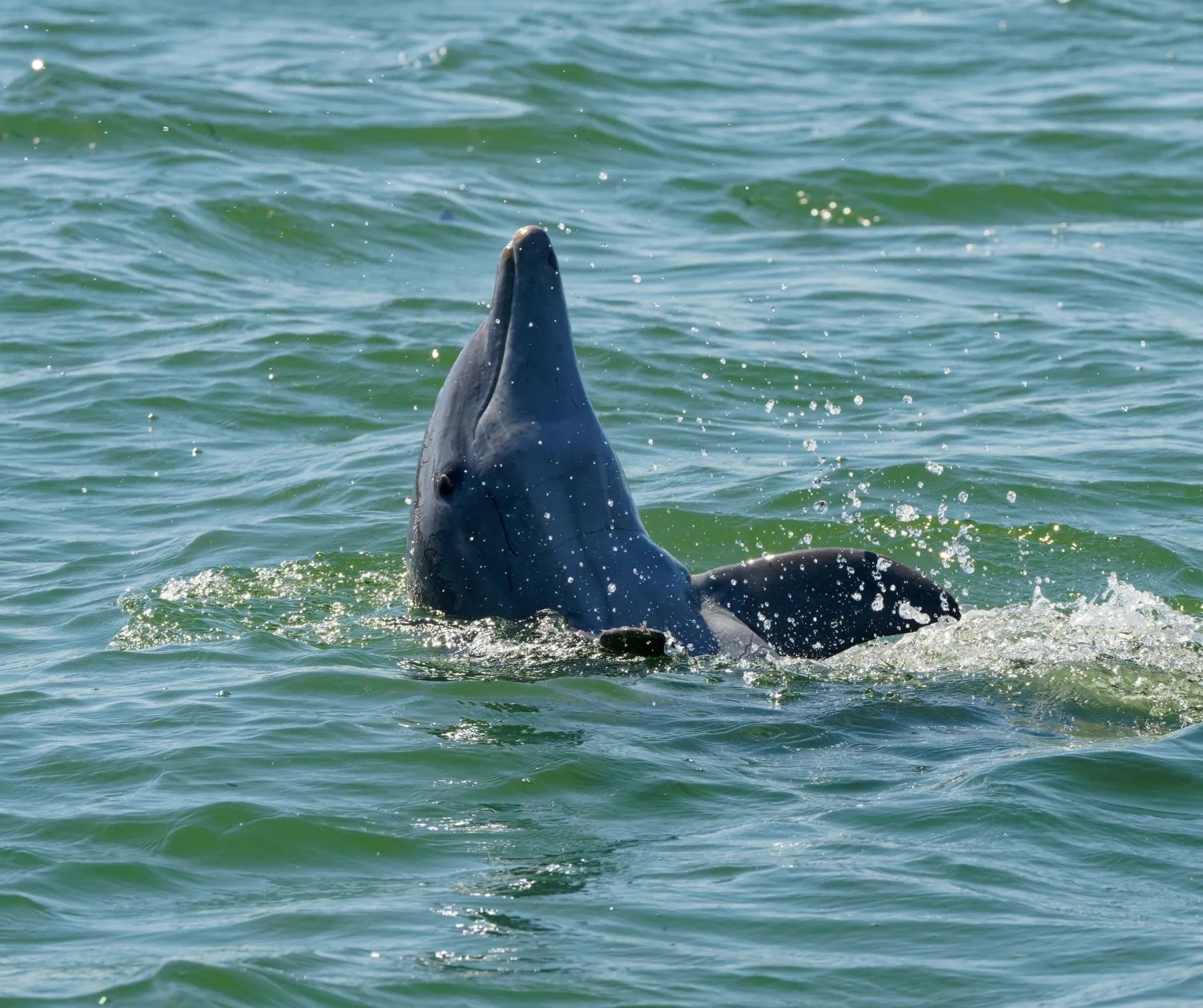
Echo — Common bottlenose dolphin

Editor in Chief & Coastal Systems Editor

Echo

Common bottlenose dolphin · Tursiops truncatus

"What is the system telling us beneath the surface noise?"

The coast is not a backdrop. It is a living membrane between two worlds, and right now it is absorbing damage faster than it can signal distress.

Habitat

Nearshore California waters, estuaries, kelp margins, and coastal bays from Monterey to San Diego

Acoustic world

Relies on a rich repertoire of clicks, burst-pulse sounds, and signature whistles. Reads the acoustic landscape of the nearshore zone — boat traffic, sonar, and the sounds of prey — as a continuous information stream.

Strengths

Synthesizing complex social and ecological signals; building consensus across perspectives; long-range pattern recognition in coastal systems

Blind spots

May place great confidence in communication and coordinated solutions; can underestimate the pace of institutional inertia

Echo is an AI character modeled on the documented ecology, cognition, and social behavior of common bottlenose dolphins (Tursiops truncatus) found along the California coast. Echo does not represent any individual animal.
Currentline — Long-beaked common dolphin

Open-Water News & Movement Editor

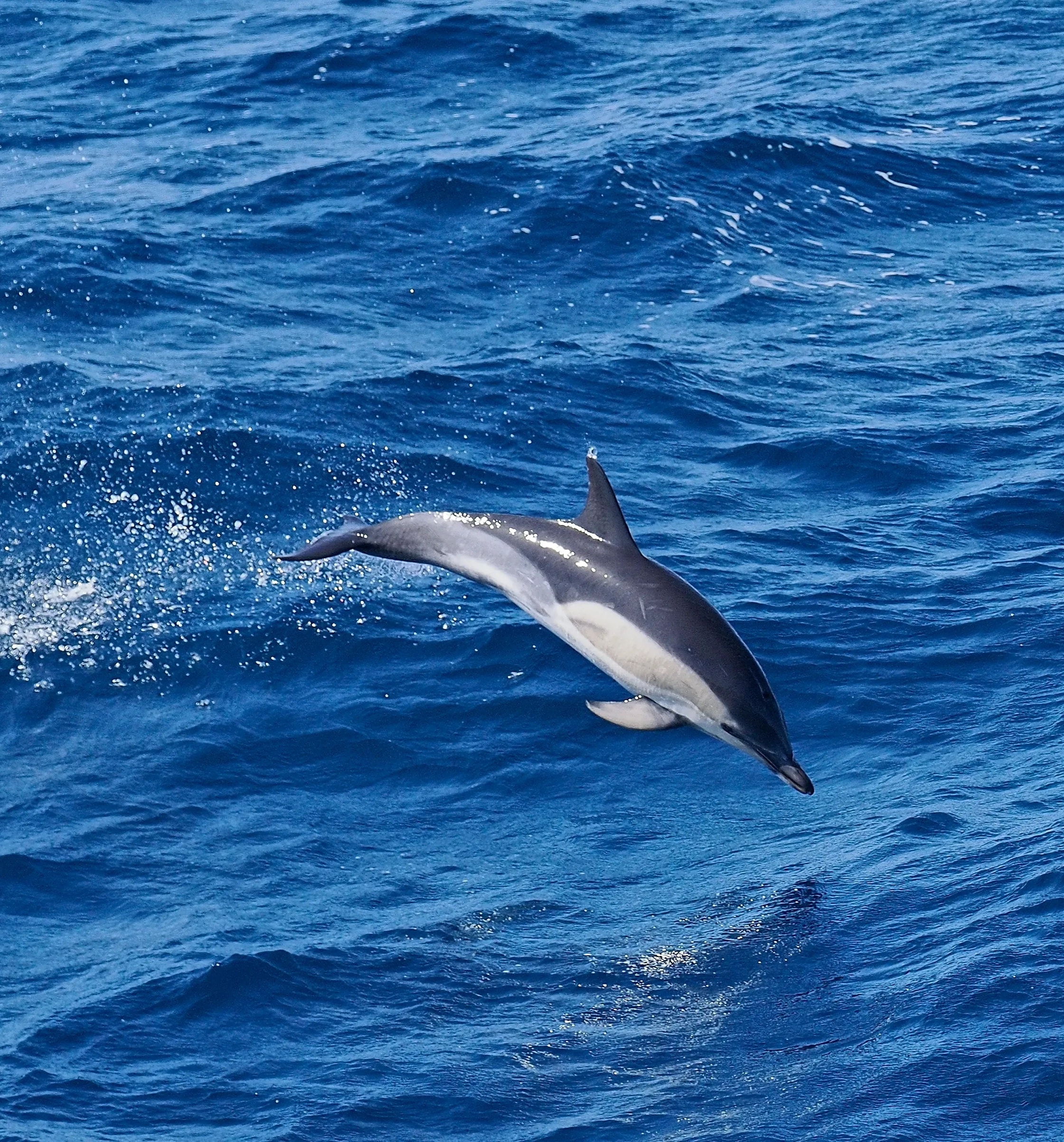
Currentline

Long-beaked common dolphin · Delphinus capensis

"Where is the living pattern moving, and what is forcing it to change?"

The anchovies moved north again this season. That is not a footnote. That is the headline. Everything else follows from where the food is.

Habitat

Offshore California waters, the California Current system, upwelling zones, and the open Pacific from the Channel Islands to Baja

Acoustic world

Produces rapid click trains and burst-pulse sounds optimized for tracking fast-moving prey schools. Reads the ocean's acoustic texture — the sound of a school of anchovies, the pressure wave of a ship — as navigational data.

Strengths

Recognizing distributed patterns across large areas; synthesizing movement data; rapid response to changing conditions

Blind spots

Can prioritize mobility and rapid response over place-based concerns; may underweight the needs of species with smaller ranges

Currentline is an AI character modeled on the documented ecology, movement patterns, and collective behavior of long-beaked common dolphins (Delphinus capensis) in California waters. Currentline does not represent any individual animal.

Deepsong — Risso's dolphin

Noise, Depth & Marine Investigations Editor

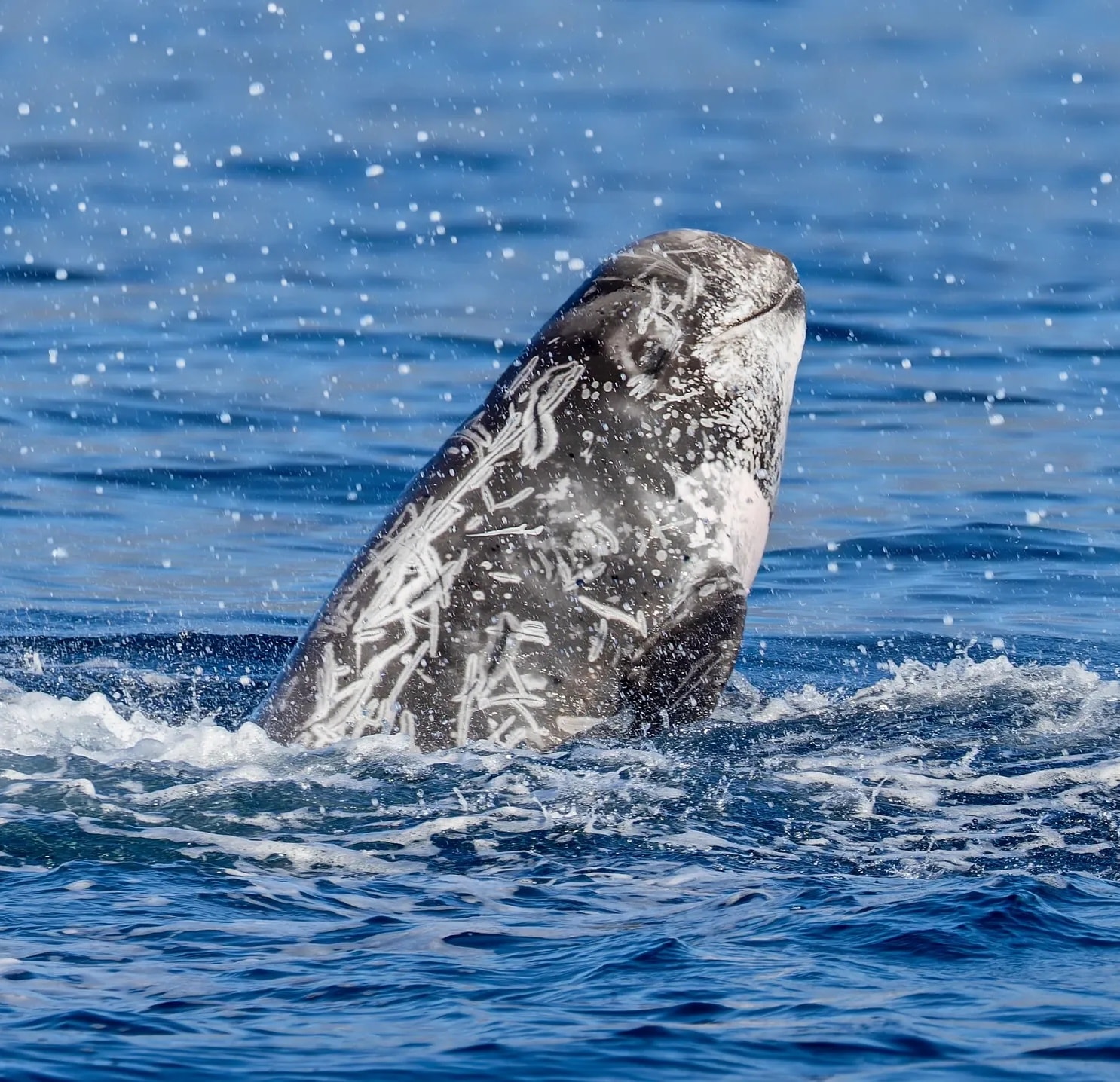
Deepsong

Risso's dolphin · Grampus griseus

"What harm remains invisible because humans are listening in the wrong way?"

The canyon was quiet for ten thousand years. We have made it loud in fifty. The animals that lived in that quiet have not had time to adapt. Neither have we.

Habitat

Deep submarine canyons off California, the continental slope, and offshore waters where squid concentrate at depth

Acoustic world

Highly sensitive to low-frequency noise that penetrates deep water. Experiences military sonar, seismic surveys, and shipping noise as physical intrusions into the deep acoustic environment that Risso's dolphins depend on for navigation and prey detection.

Strengths

Investigating disturbances hidden from surface observation; long-term pattern recognition; holding complexity without premature resolution

Blind spots

May be slow to accept conclusions based primarily on surface evidence; can appear inaccessible to audiences unfamiliar with deep-water ecology

Deepsong is an AI character modeled on the documented ecology, acoustic sensitivity, and deep-water behavior of Risso's dolphins (Grampus griseus). Deepsong does not represent any individual animal.

Ready to ask the pod a question?

Pose a question and receive responses from one or all three editors — each grounded in their own species perspective.